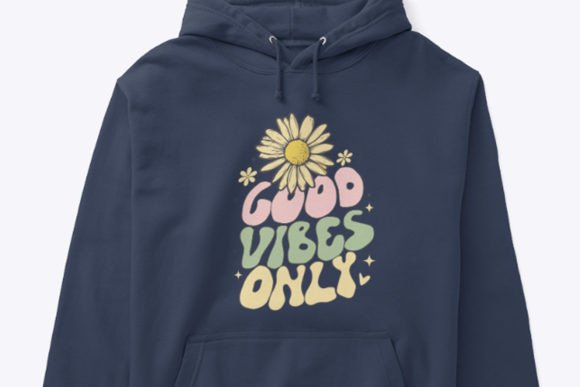
GOOD VIBES ONLY T SHIRT DESIGN
In the fast-paced world of digital commerce and creative branding, capturing attention instantly is paramount. A well-crafted GOOD VIBES ONLY T SHIRT DESIGN serves as more than just a graphic; it acts as a visual anchor for positivity, lifestyle branding, and modern aesthetic appeal. For designers and entrepreneurs alike, understanding the mechanics behind such impactful assets is crucial for creating merchandise that resonates with audiences on an emotional level while maintaining professional design standards.
The Power of Positive Visual Communication
Visual hierarchy and typography play pivotal roles in conveying mood. When integrating text-based graphics into apparel or merchandise, the balance between legibility and artistic flair determines success. The "Good Vibes Only" concept taps into a universal desire for optimism, making it a versatile theme across various industries. From social media graphics to physical print design, this motif allows brands to communicate warmth and approachability without relying on complex imagery.
Effective brand identity relies on consistency. By utilizing clean vector shapes and scalable formats, designers can ensure that their message remains crisp whether it appears on a small Instagram thumbnail or a large billboard. This scalability is essential for maintaining a premium presentation across all touchpoints, ensuring that the brand’s voice remains clear and undistorted by technical limitations.
Technical Excellence in Digital Assets
For professionals working in graphic design and print design, the quality of source files directly impacts the final output. High-resolution, vector-based assets offer distinct advantages over raster images. They allow for infinite resizing without pixelation, which is critical when preparing designs for different merchandise types. Whether you are designing for t-shirts, mugs, tote bags, or poster cards, having access to versatile file formats ensures compatibility with various printing technologies.
A robust design workflow begins with proper asset management. Using tools like EPS, SVG, PNG (transparent), and JPG formats provides flexibility during the editing phase. These formats support easy customization, allowing designers to tweak color palettes to match specific brand guidelines or adjust elements for dark versus light backgrounds. This adaptability is particularly useful for POD (Print on Demand) businesses, where rapid iteration and variety are key to staying competitive.
- Scalability: Vector shapes ensure the design looks sharp at any size.
- Customization: Easy-to-edit layers facilitate quick changes for different product lines.
- Versatility: Compatible with both digital marketing materials and physical merchandise.
Practical Applications Across Creative Projects
The utility of a high-quality design asset extends far beyond a single product. In the realm of web design and UI/UX design, positive visual cues can enhance user experience by creating a welcoming interface. Similarly, in editorial design and advertising campaigns, such graphics can break up text-heavy layouts and draw the eye to key messages. The same design can be repurposed for packaging design, adding a cohesive look to unboxing experiences that reinforce brand loyalty.
When adapting these assets for social media content, consider how the colors interact with platform backgrounds. Transparent PNGs are invaluable here, allowing the design to blend seamlessly with varied backdrops. Furthermore, for logo design iterations or sub-branding efforts, extracting core elements from a larger composition can provide fresh inspiration while maintaining brand recognition.
Optimizing for Print and Merchandise
Transitioning from screen to physical products requires attention to detail. Understanding how colors translate from RGB (screen) to CMYK or direct-to-garment printing processes is vital. A good design file should include options for inversion or color adjustment to ensure visibility on dark fabrics. This consideration demonstrates a deep understanding of print production constraints and elevates the professionalism of the final deliverable.
Moreover, the ease of use provided by organized, compressed ZIP files streamlines the design workflow. Designers can quickly extract necessary components, test variations, and prepare files for upload to POD platforms. This efficiency reduces turnaround time, allowing creators to focus on strategy and marketing rather than technical troubleshooting.
Ultimately, investing in high-quality, versatile design assets empowers creators to produce work that is not only visually striking but also commercially viable. By prioritizing clarity, scalability, and aesthetic harmony, designers can craft solutions that elevate brands and engage audiences effectively. Thoughtful design choices, supported by robust technical foundations, ensure that every project—from a simple mug to a comprehensive branding campaign—communicates its intended message with precision and style.